Common Uses at Music Events
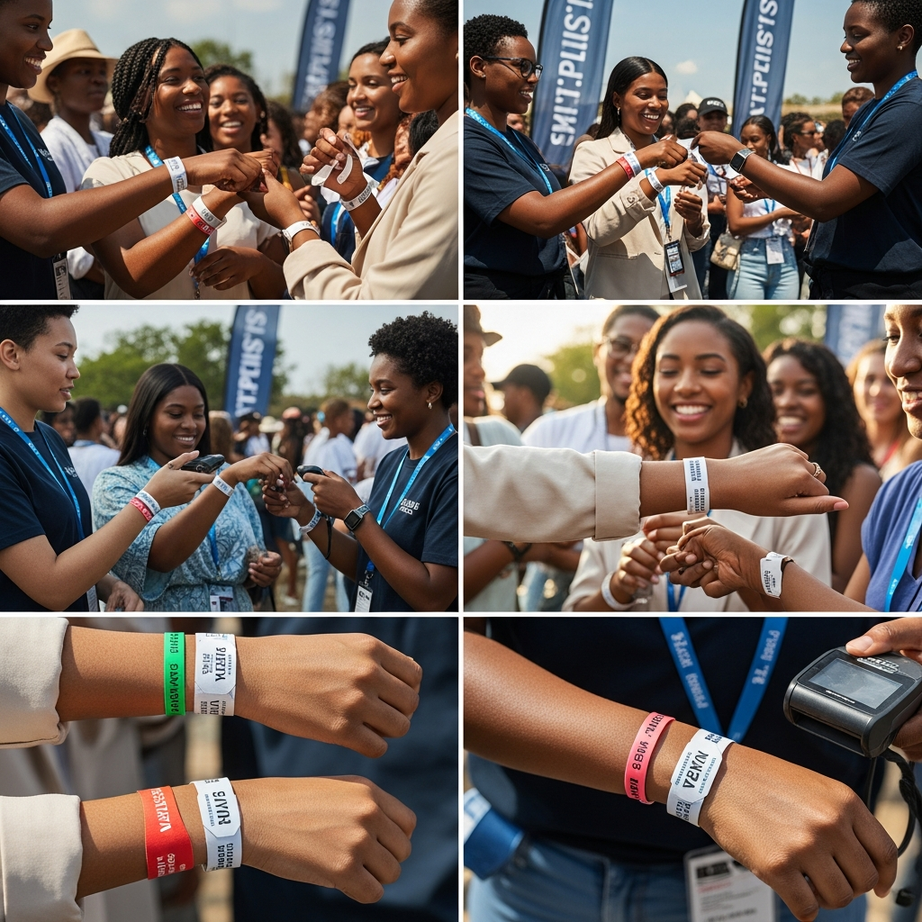
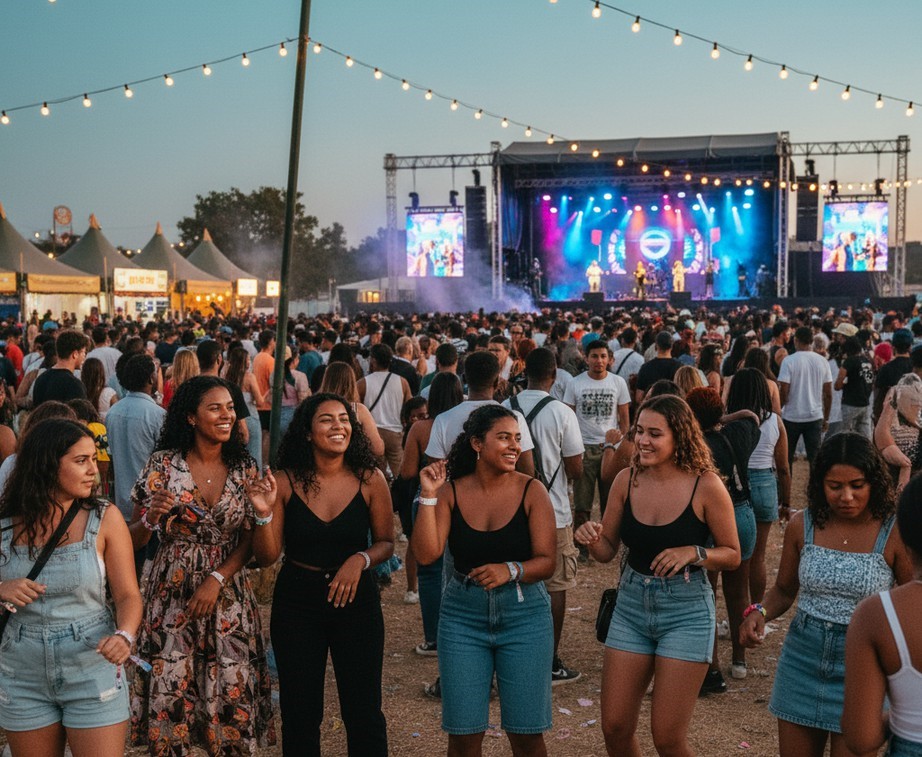
Concert wristbands are more than just accessories. They’re used to keep everything running smoothly behind the scenes. From crowd flow to security to bar access, they help organisers know who’s allowed where. Whether it’s a small club show or a massive outdoor festival, having clear wristbands helps manage the chaos.
People come and go. Some have general tickets, others paid extra for VIP. Some are working, some are performing. Without something visible to separate one group from the next, mistakes can happen fast. Wristbands solve that.
Access Control and Crowd Management
One of the biggest problems at any event is making sure people don’t go where they’re not supposed to. Wristbands let security and staff know at a glance if someone is allowed backstage or if they belong in general standing. This speeds things up and helps reduce delays at gates, entrances and restricted areas.
At high-volume entry points like the front gates or drink tents, time is tight. Wristbands make it possible to check entry status in seconds instead of minutes.
Security and Anti-Tampering Requirements
A major reason wristbands are used is to stop people from handing tickets to friends or sneaking into areas they didn’t pay for. That’s why most concert wristbands are designed to be worn once and then destroyed if removed. It’s also why secure closures, barcodes, and sometimes even RFID tags are added.
When someone gets their wristband cut off, they can’t just tape it back together. The point is to make transfers impossible without damaging the band.
Understanding Wristband Materials
Overview of Material Options
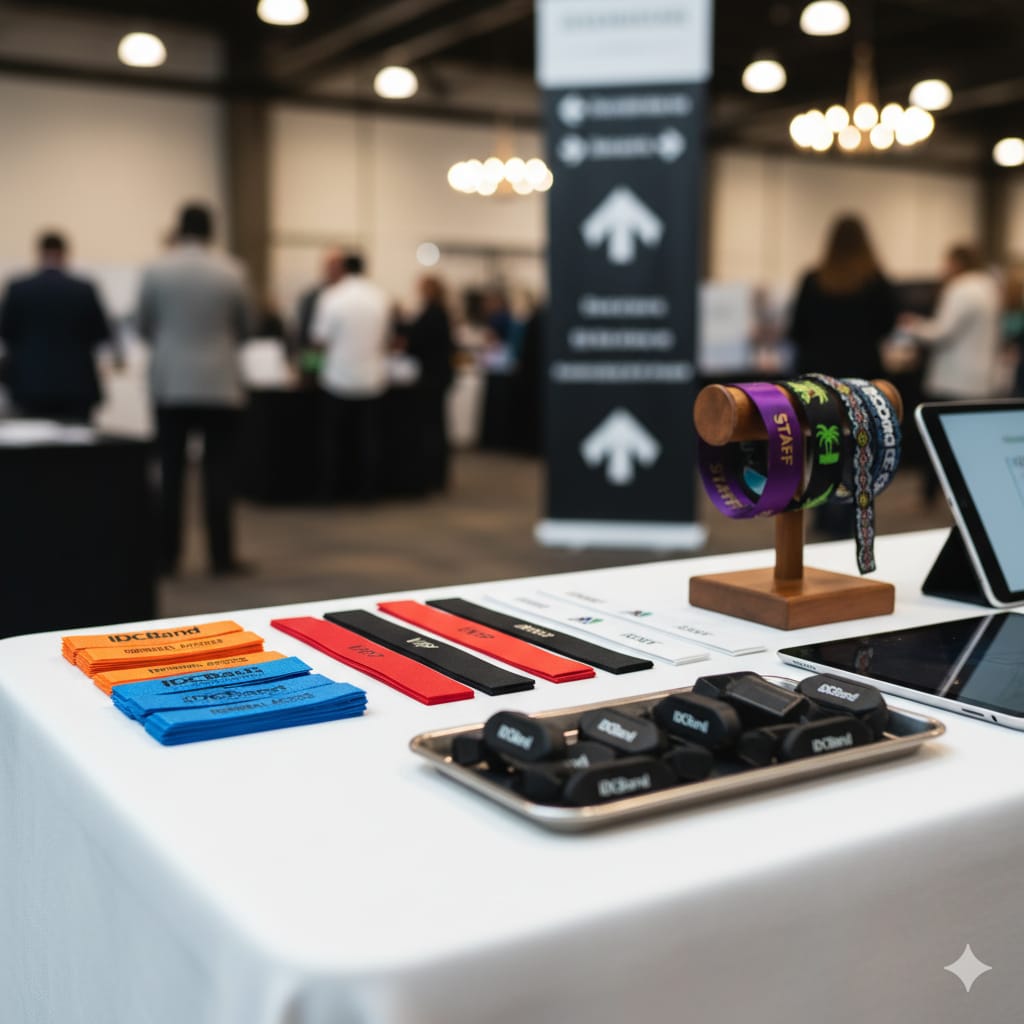
Concert organisers have four main types of wristbands to choose from: Tyvek, vinyl, silicone, and fabric. Each material has its own strengths depending on how long the event is, how much movement is expected, and what level of security is needed. Some are better for general access. Others work best for VIP or backstage areas.
The trick is knowing which one to use where. The wrong choice can lead to comfort issues, security risks or logistical problems. The right one helps everything run smoother.
When to Use Paper-Like Tyvek
Tyvek wristbands are ideal for short-term use. They’re light, waterproof, and cheap to produce. That makes them perfect for day passes, small gigs or basic access zones. They’re not designed for comfort, but for entry-level control, they’re one of the most common picks.
When to Use Vinyl
Vinyl wristbands are tougher and can be worn for multiple days. They’re better suited for events with overnight stays or longer durations. Because they don’t stretch or tear easily, they’re often used for multi-day passes or important access zones like VIP or artist areas.
When to Use Silicone
Silicone wristbands are more for branding, merch or identification. They’re not secure because they can be taken off and passed around. But they work great as a memento or for supporters and fans. They’re reusable and comfortable but not great for strict access control.
When to Use Fabric
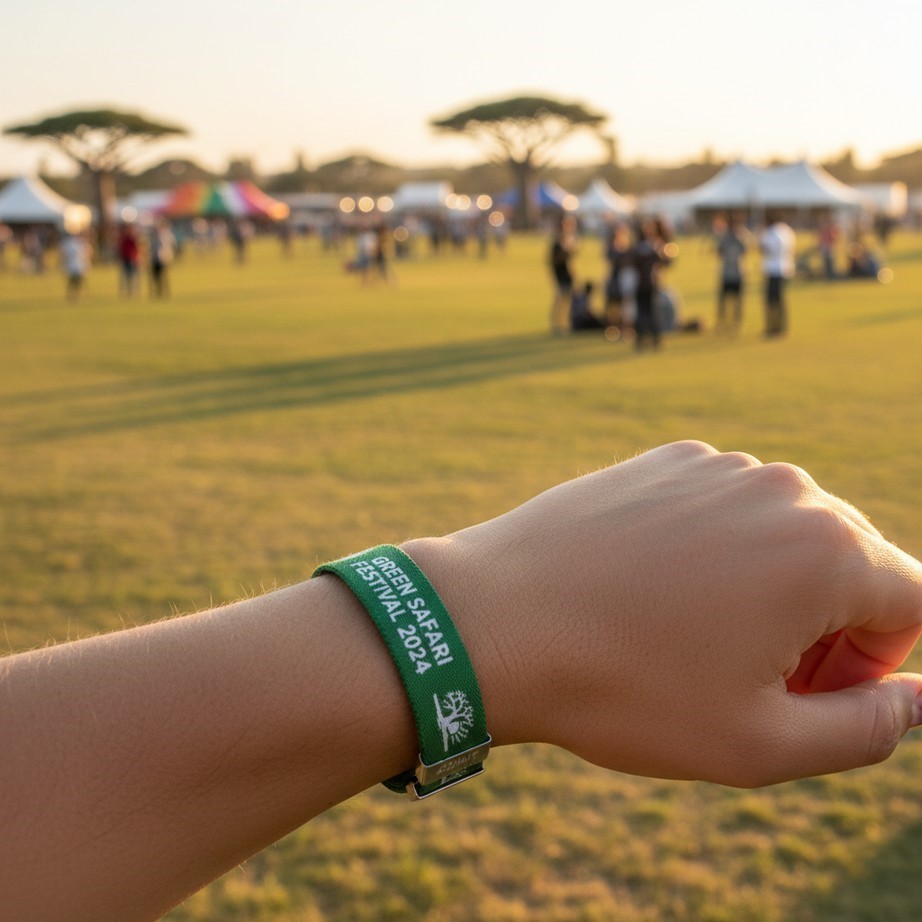
Fabric wristbands are often used for higher-end events. These are the ones you see at music festivals with woven designs and plastic closures. They look good, feel good and last for days. They also offer more customisation and are harder to copy or reuse without cutting them off.
Tyvek Wristbands for General Admission
Strengths of Tyvek for Short-Term Use
Tyvek is strong for its weight and cost. It’s made of synthetic fibres bonded together to form a sheet that behaves like paper but holds up much better. It doesn’t tear easily and holds up against moisture. For general admission, it checks all the boxes.
It’s disposable, affordable, and doesn’t overcomplicate things. It’s the go-to choice when you just need to show you’ve paid and entered.
Printing Options and Colours
Tyvek bands come in almost every colour. They can be printed with logos, text, or patterns. For general admission, it’s common to print the date or event name. Fluorescent and glow-in-the-dark options are available too, which help at night or in dark venues.
How Tyvek Works for GA Zones
These bands are usually handed out at entry and sealed with a tamper-proof adhesive. Once closed, they can’t be removed without tearing. That means even if someone tries to peel one off and pass it to a friend, it won’t work.
Because of their bright colours and flat surface, they’re easy to scan visually from a distance. That makes queue management faster and smoother.
Vinyl Wristbands for Multi-Day Concerts
Why Vinyl Is Chosen for Longer Events
When a concert runs for more than one day, the wristbands need to last. Vinyl bands are thicker and more durable than Tyvek. They can handle showers, mud, and general wear without falling apart. They’re often used at multi-day festivals, large weekend shows, or events where people camp overnight.
Comfort and Durability in Crowded Settings
Vinyl is soft enough to be worn comfortably for days, but strong enough to hold its shape. It doesn’t absorb water or sweat, and it’s hard to snap or rip. The bands often come with plastic button closures that click into place and stay locked.
In crowded conditions where people push and pull, these bands hold up better than Tyvek.
Waterproofing Benefits for Outdoor Gigs
Outdoor concerts are exposed to unpredictable weather. Rain, sweat, spilled drinks — none of it affects vinyl. The bands don’t stretch or go soggy. This makes them ideal for anything where weather could be a factor.
Fabric Wristbands for VIP and Multi-Zone Access
The Appeal of Woven Wristbands
Fabric bands are a step up in terms of look and feel. They can be woven or printed and are often used at large-scale music events with tiered access zones. These are the bands people sometimes keep as souvenirs.
They’re comfortable for long wear, and because they’re hard to fake or duplicate, they’re often used for VIPs or performers.
Custom Designs and Colour Weaves
Because they’re woven, you can build designs into the actual fabric. That includes logos, gradients, or colour-coded access levels. Some events even include the date or artist lineup directly on the band.
This helps staff quickly identify who belongs where without needing to scan or double-check.
Added Security with Locking Closures
Fabric wristbands often come with sliding or snap-lock closures. Once fitted, they can’t be removed unless cut off. That adds a level of security that’s hard to beat, especially for artist or backstage zones where extra control is needed.
Silicone Wristbands for Merchandise or Souvenirs
When Silicone Works Best at Concerts
Silicone wristbands are flexible and easy to slip on and off. That makes them great for giveaways, merch tables, or awareness campaigns. They’re not used much for actual access control, but they’re common in fan engagement.
They’re also used to support causes or show fan identity, especially at genre-specific events where branding matters.
Using Silicone for Branding or Access
Some events use silicone wristbands to separate groups — like staff or support teams — who don’t need to go through the same access points. These people wear them throughout the event to show they belong.
The bands can also be printed or embossed with names, phrases or event slogans.
Limitations for Security Control
Because silicone can be stretched and removed, it doesn’t work for areas where access needs to be tightly controlled. It’s more of an accessory than a functional wristband when it comes to security.
Security Features Across Wristband Types
Serial Numbering and Barcodes
Most secure wristbands include a printed serial number. This helps track each one and makes it harder for someone to fake or duplicate a band. Some events also print barcodes for scanning.
RFID Integration Options
High-end events use RFID chips embedded into fabric or vinyl bands. These chips can be scanned for access or linked to payments. They’re not cheap, but they add a layer of control that’s useful at big concerts.
They also allow for better data tracking and crowd control since the system knows who entered and when.
How Closures Prevent Transfers
The closure system is what prevents wristbands from being shared. Adhesive strips, snap buttons, or locking sliders all serve the same purpose — once it’s on, it stays on. If someone removes the band, it shows.
Some wristbands even include security slits that rip if tampered with.
Choosing the Right Wristband for Each Zone
GA vs VIP vs Backstage Requirements
Each part of the event has different needs. General admission needs basic wristbands that are fast to distribute and easy to spot. VIP needs stronger, more visible, and harder-to-copy wristbands. Backstage needs the highest level of control, often using locking closures and security features.
Using different materials helps prevent confusion and limits where people can go.
How Colour Coding Helps with Fast Checks
Wristbands are often colour-coded to help staff check access without stopping to ask questions. A red band might be GA. Blue might be VIP. Green might be staff. The colours make it easier to manage movement, especially in loud or dark environments.
This helps with quick scans at food stalls, drink lines, or entrances to restricted zones.
Balancing Budget with Functionality
Tyvek is cheap and fast. Vinyl is more expensive but lasts longer. Fabric looks great and adds branding power. Silicone is reusable and can double as merch.
Picking the right one is about knowing what the area requires and what the budget allows. Skimping on access control can lead to crowd problems or lost revenue. Overspending can cut into profits.
Environmental and Practical Considerations
What to Use in Wet or Muddy Conditions
If the event might get wet, vinyl or fabric is a safer bet. Tyvek can handle water but doesn’t last as long. Silicone holds up fine in moisture, but it’s not used for access control.
Outdoor concerts should avoid any band that gets soggy or breaks down easily.
Disposability vs Reusability
Some bands are thrown away after the event. Others are kept. Silicone and fabric are often saved as souvenirs. Tyvek and vinyl are usually tossed. The choice depends on how the bands are used and whether long-term value matters.
Comfort for Long Wear Times
When people wear something for 12 hours or more, it needs to be comfortable. Tyvek can scratch after a while. Vinyl and fabric are smoother on the skin. Silicone is soft and stretchy, but less secure.
Thinking about how long the band will be worn helps avoid complaints or replacements.